


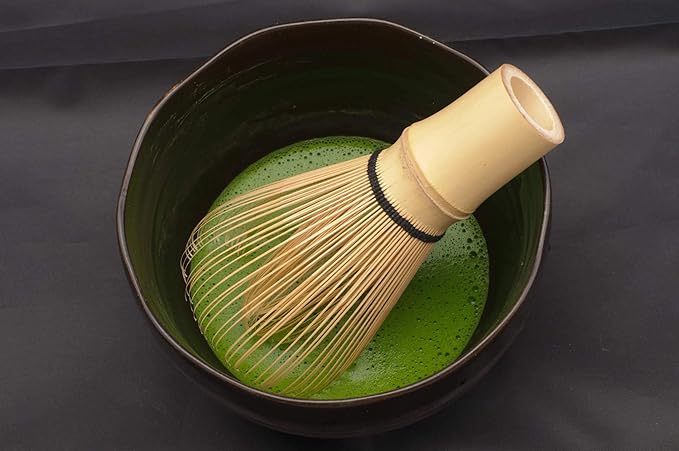

Choosing Japanese matcha becomes much easier when you start with the cup you actually plan to make. A straight bowl, an iced latte, and a batch of cookies all ask different things from the tea. The most expensive-looking tin is not automatically the best choice for every use.
This guide breaks the decision down by flavor, texture, and routine so you can choose a matcha you will genuinely enjoy using—not one that stays unopened while you wait for a “special” occasion.


The short answer: choose by how you will use it
Ceremonial matcha vs. culinary matcha: what actually matters?
“Ceremonial” and “culinary” are useful shopping shortcuts, but they do not tell you everything about how a matcha will taste in your kitchen. The more useful question is whether the tea is intended to be enjoyed on its own or used with other ingredients.
For straight drinking, you will notice aroma, texture, bitterness, sweetness, and the way the flavor develops after each sip. A smoother, more balanced matcha can be rewarding when whisked with water alone.
For lattes and baking, milk, sugar, ice, butter, cream, and chocolate all compete with the tea. A matcha with more presence can make more sense than a delicate tea that you would rather appreciate on its own.
That is why there is no single “best Japanese matcha.” There is only the best fit for the next ten cups you are realistically going to make.
If you drink matcha straight, start with Isuzu or Wako
Isuzu: a more defined daily bowl
Isuzu Marukyu Koyamaen Sado Matcha is a strong choice when you want the tea itself to lead the experience. It suits shoppers who enjoy a fresh, lively cup with structure rather than a very soft or neutral profile.
Choose Isuzu when:
- you mostly whisk matcha with water
- you enjoy a little bitterness or edge in your tea
- you want a daily bowl with clear matcha character
It can also work in a latte, but if almost every cup includes milk, there are more flexible first-buy options below.
Wako: a balanced and giftable option
Wako Marukyu Koyamaen Sado Matcha makes sense when balance matters more than intensity. It is a comfortable direction for straight drinking and a thoughtful option when you are buying for someone whose taste you do not know perfectly.
Choose Wako when:
- you want a composed, balanced bowl
- you are looking for a step up from an everyday latte matcha
- you want a matcha that feels suitable for gifting
If you are still deciding between these profiles, our Marukyu Koyamaen matcha comparison guide goes deeper into Aoarashi, Isuzu, Wako, Ayame, and Wakatake.
If you make lattes, choose flexibility over ceremony
Aoarashi: the practical mixed-use starting point
Aoarashi Marukyu Koyamaen Beverage Matcha is a practical starting point for shoppers whose routine changes from day to day. It can fit a straight bowl, an iced latte, or a simple recipe without forcing you to save the tin for one specific preparation.
Aoarashi is especially useful when:
- you are buying your first Japanese matcha
- you want one tin for both water and milk-based drinks
- you care about finishing the package before opening another one
For an iced latte, whisk the matcha with a small amount of warm water first, then add ice and milk. This helps the tea distribute evenly and keeps the drink from tasting flat or powdery.
Isuzu can work in lattes when you want more presence
If you already know that you prefer a more noticeable tea flavor, Isuzu can be a good latte choice too. The key is not the label on the tin; it is whether you want the matcha to play a supporting role or remain clearly visible beside the milk.
If you bake, choose a matcha made for the recipe
Baking matcha has a different job from a straight-drinking tea. In a cookie, sponge cake, tiramisu, whipped cream, or white-chocolate dessert, the matcha needs to remain recognizable after sugar, fat, and other flavors are added.


Ayame: when you want the matcha flavor to stand out
Ayame Marukyu Koyamaen Baking Matcha is the more direct route when the point of the recipe is to taste the matcha. It is a useful choice for desserts where you want the green tea note to stay visible instead of fading into the background.
Wakatake: a practical kitchen tin
Wakatake Marukyu Koyamaen Cooking Matcha makes sense when you bake often, prepare larger batches, or want a more practical house matcha for recipes and milk-based drinks.
Do not judge either option by the standards of a delicate straight-drinking bowl. A good baking matcha is doing a different job: it is helping the finished dessert taste like matcha.
Japanese matcha questions, answered
What is the best Japanese matcha for beginners?
For a first tin, choose based on your routine. Aoarashi is a flexible mixed-use choice, while Isuzu is a better fit if you already know you prefer straight bowls.
Is ceremonial matcha good for lattes?
It can be, but “ceremonial” is not a latte recipe. If you want the matcha to stay noticeable beside milk, choose a tea with enough flavor presence and whisk it with a little warm water before adding the milk.
What is the best matcha for baking?
Ayame is a good starting point when you want the matcha flavor to stand out in desserts. Wakatake is a practical alternative for frequent baking, larger batches, or kitchen use.
Should I buy one matcha for everything?
You can, especially if you are starting out. A flexible matcha such as Aoarashi can cover straight drinking, lattes, and simple recipes. Once you know which preparation you make most often, you can choose a more specialized tea with less guesswork.
For a special bowl or gift, look at Matsukaze or Ogurayama
When you are shopping for a special straight-drinking experience, a gift, or a tea to open slowly at home, Yamamasa Koyamaen Matsukaze and Ogurayama are natural places to compare.
These are better considered alongside your serving ritual: how you whisk the tea, what kind of bowl you use, and whether you want the matcha to be the entire focus of the moment. They are not automatically the right answer for a large latte or a full tray of cookies.
A simple three-question matcha filter
Before you add a tin to your cart, ask:
- Will I drink it mostly with water, milk, or in a recipe? Choose Isuzu or Wako for a straight bowl, Aoarashi for mixed use, and Ayame or Wakatake for baking.
- Do I want the flavor to feel delicate, balanced, or noticeable? Delicate and balanced profiles are easier to appreciate on their own; a more noticeable profile is useful when other ingredients are involved.
- Will I finish this tin in the next few weeks? The best matcha is the one that fits your real routine and stays fresh because you are actually using it.
Final recommendation
If you are new to Japanese matcha and want one flexible starting point, choose Aoarashi. If you mostly drink straight bowls, compare Isuzu and Wako. If your goal is baking, go straight to Ayame or Wakatake.
The right matcha is not the one with the most impressive description. It is the one that makes your next cup—or your next recipe—better.

